
Introduction
Dry eye can affect your suitability for laser eye surgery, but it does not automatically rule it out. Mild dry eye can often be managed with drops and lifestyle changes before treatment, while more significant cases may need dedicated dry eye treatment first. A specialist assessment of tear film quality and eye surface health determines the right timing and approach for each patient.
Many people considering vision correction ask whether dry eye can affect your suitability for laser eye surgery, and it is a fair question to raise before any procedure. Interest in laser eye surgery continues to grow as more people look to reduce their dependence on glasses and contact lenses, but a specialist first needs to confirm the eyes are healthy enough to heal well and deliver comfortable, stable vision. Dry eye is an important consideration before LASIK and other forms of laser eye surgery because tear film quality can influence comfort and recovery.
What Is Dry Eye Syndrome and Why Does It Matter for Eye Surface Health?
Dry eye syndrome develops when the eyes do not produce enough tears, or when the tears that are produced evaporate too quickly to keep the eye surface properly lubricated. Tears are not simply water. They form a thin protective film made of oil, water and mucus layers that work together to nourish the cornea, wash away debris and maintain clear, comfortable vision.
When this tear film becomes unstable, the eye surface can become dry, irritated and more vulnerable to damage. This is why eye moisture balance is such an important part of general eye health, not just a comfort issue.
Common symptoms of dry eye include:
- Burning or stinging irritation
- A gritty or sandy sensation
- Fluctuating or blurry vision
- Redness of the eyes
- Sensitivity to light
- General eye discomfort, especially by the end of the day
These symptoms can vary in intensity from mild and occasional to persistent and disruptive to daily life.
Why Is Dry Eye Assessment Important Before Laser Eye Surgery?
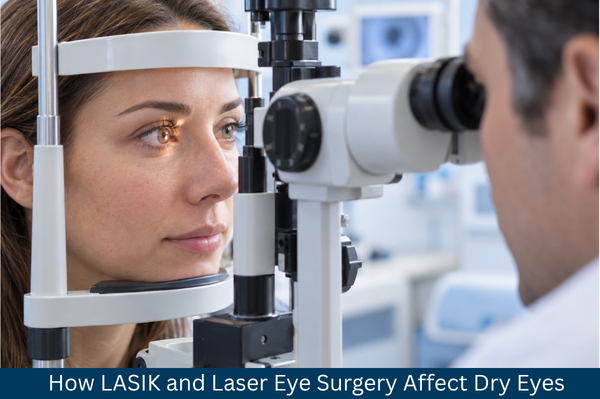
A personalised suitability assessment always includes a close look at tear quality and the overall condition of the eye surface. As Prof. Mayank A. Nanavaty, Consultant Ophthalmic Surgeon, explains, surgeons evaluate this carefully because a healthy, stable tear film supports predictable healing and comfortable vision after treatment.
If dry eye is present but goes unmanaged, it may affect how the eye responds during recovery. Symptoms can feel more pronounced immediately after surgery, and visual comfort may take longer to settle. Identifying dry eye early allows time to address it properly before moving ahead with treatment.
A thorough pre surgery evaluation typically includes:
- A detailed eye examination covering both eye health and vision needs
- Tear film assessment to measure tear quantity and stability
- Corneal health evaluation to check the shape, thickness and surface condition of the cornea
These steps give the surgeon a complete picture of eye surface health, not just a general sense of vision quality.
Can Dry Eye Affect Your LASIK Eligibility?
Dry eye alone does not automatically make someone unsuitable for laser eye surgery. Many patients with mild or well controlled dry eye symptoms go on to have successful procedures once their eye surface has been optimised beforehand.
More significant or unmanaged dry eye may need to be treated first. In these cases, a specialist will usually recommend a period of dry eye treatment to improve eye moisture balance and reduce inflammation before reconsidering candidacy for surgery.
Readiness for treatment always depends on the individual. Some points to keep in mind include:
- Mild dry eye can often be managed with lubricating drops and lifestyle adjustments before surgery
- Moderate or more persistent dry eye may require a dedicated treatment plan first
- A specialist assessment is the only reliable way to determine whether someone is ready for laser eye surgery
It is not accurate to assume that all dry eye patients are excluded from treatment. The goal of assessment is to find the right path forward, not to close the door on surgery.
How Does LASIK and Laser Eye Surgery Affect Dry Eyes?
Temporary dryness after laser eye surgery is common, even in patients who did not have dry eye symptoms beforehand. This happens because the procedure involves the cornea, which contains many small nerve fibres responsible for triggering normal tear production.
During surgery, some of these corneal nerves are temporarily disrupted. Since they play a role in signalling the eye to produce tears, this can lead to a short term reduction in tear production while the nerves heal.
The extent and duration of dryness can vary depending on the type of procedure:
- LASIK involves creating a thin corneal flap, which can temporarily affect surface nerve sensitivity
- PRK, a surface laser procedure, works on the outer layer of the cornea and may involve a different recovery pattern for tear function
- Recovery expectations differ between individuals, and healing timelines depend on overall eye health as much as the surgical technique used
Most patients notice that dryness gradually improves over the weeks and months following treatment as the corneal nerves recover.
What Are the Signs of Dry Eyes After LASIK and Laser Eye Surgery?
Recognising the signs of dry eye after LASIK or other laser procedures helps patients respond appropriately during recovery. Common symptoms include:
- Dry or irritated eyes
- Fluctuating vision, particularly later in the day
- A burning sensation
- A feeling of something in the eye
- Increased sensitivity to light
- General eye fatigue after visual tasks such as reading or screen use
Mild symptoms in the first few weeks after surgery are usually expected as part of normal healing. However, patients should contact their eye specialist if symptoms are severe, do not improve over time or begin to interfere significantly with daily activities. Ongoing communication with the surgical team allows any concerns to be addressed early.
Testimonials
“Extremely gentle, professional and informative, Could not wish for more”
How Is Dry Eye Treatment Managed Before and After Laser Surgery?
Dry eye treatment before laser surgery and continued care afterward both play a part in supporting comfortable vision. Management is usually tailored to the individual rather than following a single fixed approach.
Artificial Tears and Lubricating Drops
Lubricating eye drops are often the first step in managing dry eye symptoms. Their purpose is to replace missing moisture and support the natural tear film. Regular use can noticeably improve comfort, particularly in the early recovery period after surgery.
Lifestyle and Eye Care Measures
Simple daily habits can also make a meaningful difference to eye moisture balance. Helpful measures include:
- Taking regular breaks from screens to reduce digital eye strain
- Maintaining good hydration throughout the day
- Managing environmental factors such as air conditioning, wind or dry heating
- Avoiding known eye irritants, including smoke and excessive rubbing of the eyes
Specialist Dry Eye Treatment Options
For more persistent cases, additional treatment options may be recommended. These can include:
- Prescription treatments aimed at reducing inflammation or improving tear production
- Approaches focused on improving tear quality rather than only tear quantity
- An individualised management plan built around the specific type and severity of dry eye
Following the treatment plan set out by an eye specialist gives the best chance of achieving a comfortable, stable eye surface before and after surgery.
How Do Specialists Assess Laser Eye Surgery Suitability?
Suitability for laser eye surgery is never based on a single factor. Specialists consider several elements together to build a complete picture of eye health before recommending treatment.
Key assessment factors include:
- Corneal thickness and shape
- Stability of the eye prescription over time
- Tear film quality and overall eye surface health
- General eye health, including any underlying conditions
- Lifestyle requirements and visual demands
Because these factors interact with one another, a complete consultation is essential. This allows the specialist to weigh up the full picture rather than relying on any one test in isolation.
Can Treating Dry Eye Improve Vision Correction Surgery Outcomes?
A healthier eye surface at the time of surgery tends to respond more predictably, which supports three key outcomes patients care about most: comfort, stable vision and a smoother recovery.
Comfort is often the first thing patients notice. When the tear film is well balanced going into surgery, everyday irritation and grittiness are less likely to interfere with the early healing period.
Stable vision follows a similar pattern. A consistent tear film helps light focus evenly across the eye surface, which supports clearer, less variable vision while the eye settles after treatment.
Predictable healing is the broader benefit. Every patient’s eyes respond differently, and treating dry eye beforehand is not a guarantee of a specific result, but it does give the eye the best possible starting point for a straightforward recovery.
How Sussex Eye Laser Clinic Supports Your Laser Eye Surgery Consultation
At Sussex Eye Laser Clinic, laser eye surgery assessment begins with a detailed eye examination, including a close review of dry eye symptoms and general eye surface condition. Because tear film quality is central to a safe, comfortable outcome, this evaluation is a standard part of every consultation rather than an afterthought.
Where dry eye is identified, patients receive personalised guidance on appropriate treatment before suitability for surgery is revisited. This specialist, patient focused approach reflects the clinic’s experience in laser eye surgery assessments and its commitment to informed decisions at every stage.
 Email Us
Dry Eye and Laser Eye Surgery: Key Takeaways
Dry eye can influence suitability for laser eye surgery in some patients, though it does not automatically prevent treatment. A proper pre surgery assessment helps identify any eye surface issues early, giving specialists the chance to recommend appropriate dry eye treatment where needed.
Taking the time to manage dry eye before surgery can support greater comfort and a more suitable foundation for vision correction. A specialist consultation remains the most reliable way to understand individual readiness and to plan the right next steps with confidence.