
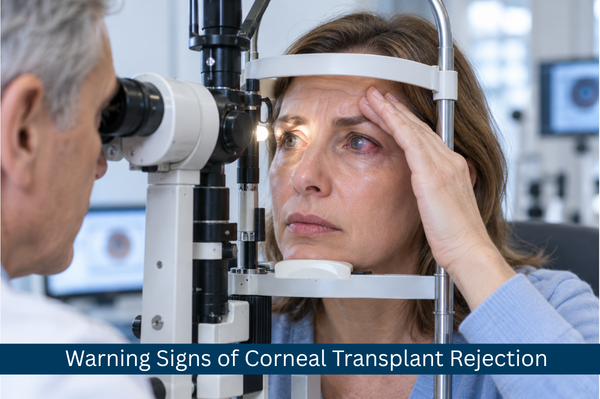
What Are the Warning Signs of Corneal Transplant Rejection?
Introduction Corneal transplant rejection occurs when the immune system reacts against donor corneal tissue, causing symptoms such as redness, light sensitivity, blurred vision, and eye discomfort. Rejection can occur at any stage after surgery, from a few months to several years later, which makes long term eye monitoring essential. Early diagnosis through eye examination and […]
Can Dry Eye Affect Your Suitability for Laser Eye Surgery?
Introduction Dry eye can affect your suitability for laser eye surgery, but it does not automatically rule it out. Mild dry eye can often be managed with drops and lifestyle changes before treatment, while more significant cases may need dedicated dry eye treatment first. A specialist assessment of tear film quality and eye surface health […]
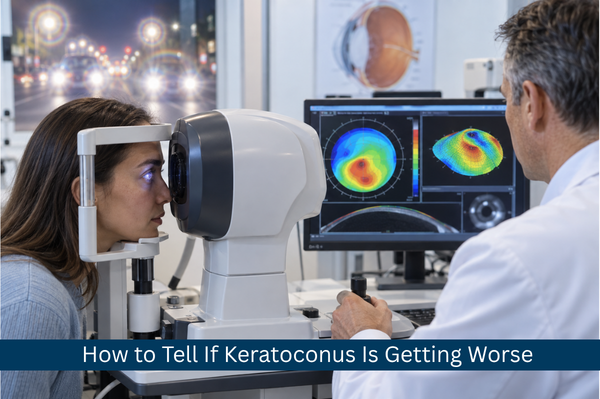
How Do You Know If Keratoconus Is Getting Worse?
Introduction Keratoconus may be worsening if you notice increasing blurred vision, frequent prescription changes, more glare or halos around lights, or difficulty seeing clearly even with updated glasses. However, only specialist testing such as corneal topography and tomography can confirm whether the cornea itself is changing. How Do You Know If Keratoconus Is Getting Worse: […]
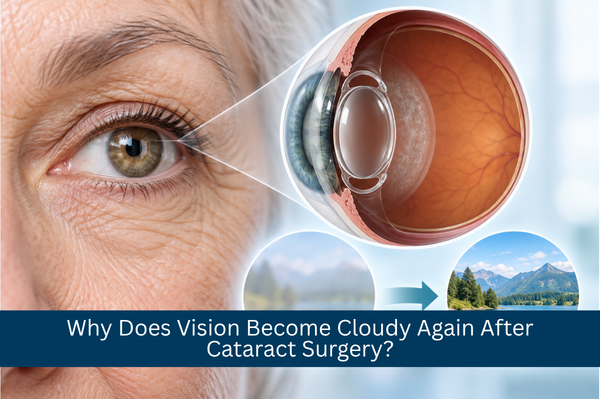
Why Does Vision Become Cloudy Again After Cataract Surgery?
Introduction Cloudy vision after cataract surgery does not usually mean the cataract has returned. It is most often caused by posterior capsule opacification (PCO), a common condition where cells gradually cloud the capsule supporting the artificial lens implant. PCO can develop months or years after surgery and is typically treated quickly with a laser procedure […]
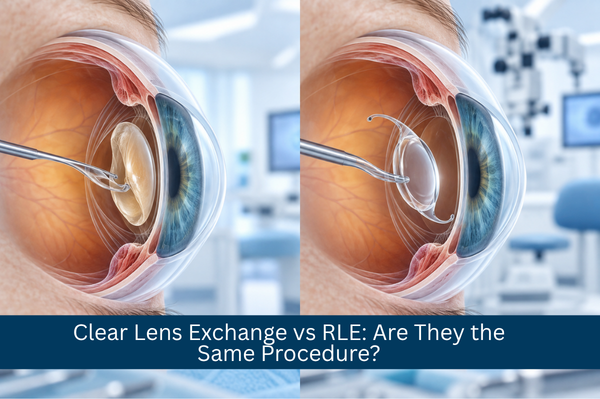
What Is the Difference Between Clear Lens Exchange and RLE?
Understanding Clear Lens Exchange and RLE: An Introduction to Lens Replacement Surgery Many patients researching vision correction options ask the same question: is RLE the same as Clear Lens Exchange, or are they different treatments? When comparing Clear Lens Exchange vs RLE, the short answer is that both describe closely related forms of lens replacement […]
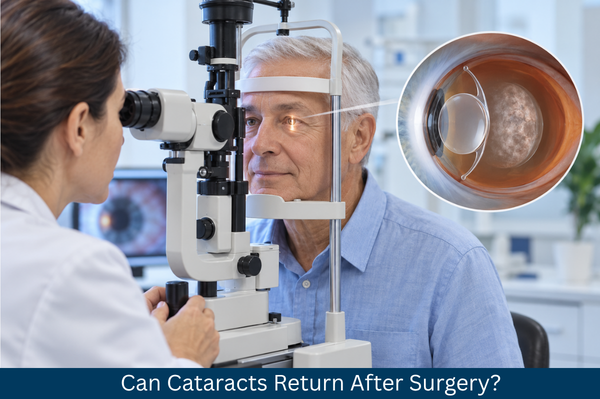
Can Cataracts Come Back After Cataract Surgery?
Introduction A cataract cannot come back after cataract surgery, even in the same eye, because the cloudy natural lens has been permanently removed. Cloudy or blurred vision appearing later is usually posterior capsule opacification (PCO), a separate and treatable condition affecting the membrane behind the artificial lens. Regular eye examinations help catch this early and […]
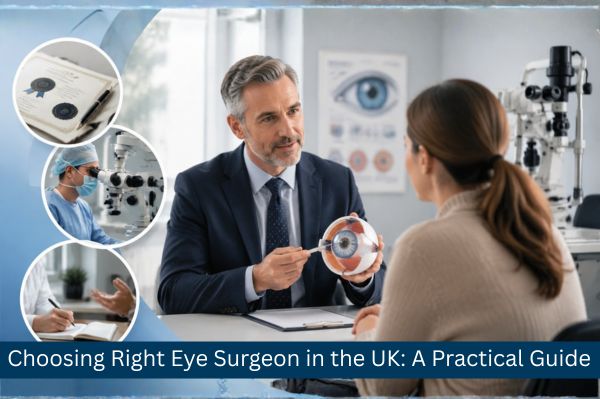
How to Choose an Eye Surgeon in the UK: Accreditations, Experience, and Questions to Ask
Summary Choosing a surgeon for any procedure that permanently alters your vision is one of the most important decisions you will make about your health. The UK has many providers of laser eye surgery and lens-based vision correction, and the variation in surgeon experience, training, technology, and clinical standards is significant. This article provides a […]
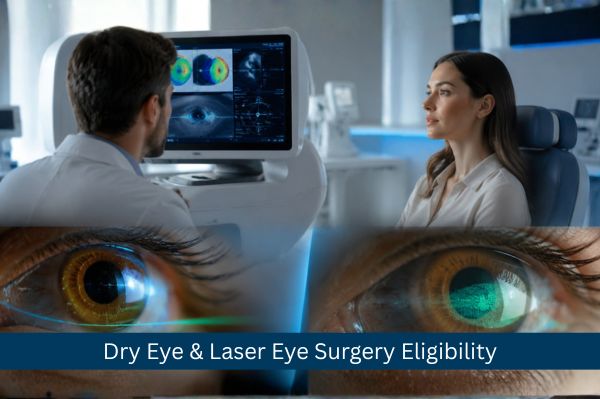
Dry Eye Syndrome and Laser Eye Surgery: How to Know If You Are Still a Candidate
Summary Dry eye disease is the most common reason patients are advised to delay or reconsider laser eye surgery at an initial assessment. Many people come to Sussex Eye Laser Clinic having been told elsewhere that their dry eyes make them unsuitable, and are wondering whether this is permanent. In most cases it is not. […]
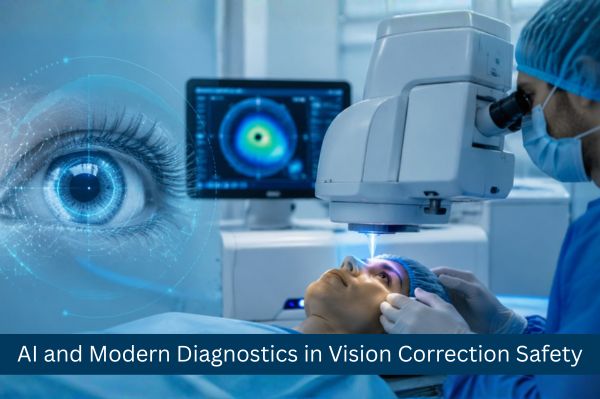
How Modern Diagnostics Are Making Vision Correction Safer and More Precise: AI and Technology in Eye Surgery
Summary The safety and accuracy of laser eye surgery and lens-based vision correction have improved dramatically over the past decade, and the technology driving this improvement continues to advance in 2026. Patients choosing where to have surgery are increasingly aware that not all clinics use the same diagnostic tools or laser platforms. This article explains […]
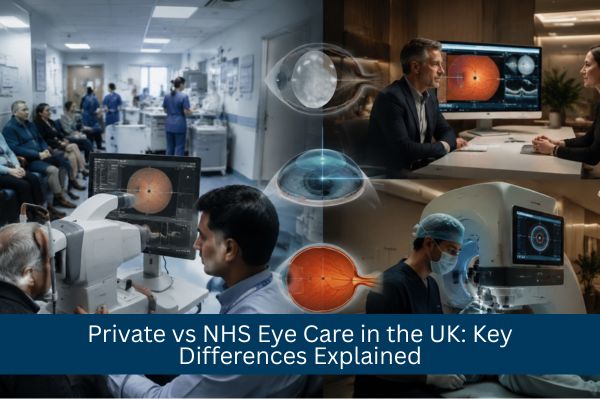
Private vs NHS Eye Care in the UK: What Is Available on the NHS and What Requires Private Treatment?
Summary Understanding the distinction between NHS and private eye care in the UK is one of the most common sources of confusion for patients considering vision correction or eye surgery. The NHS provides excellent care for medically necessary conditions, but many procedures that significantly improve quality of life, including laser eye surgery, implantable contact lenses, […]