
Introduction
Corneal transplant rejection occurs when the immune system reacts against donor corneal tissue, causing symptoms such as redness, light sensitivity, blurred vision, and eye discomfort. Rejection can occur at any stage after surgery, from a few months to several years later, which makes long term eye monitoring essential. Early diagnosis through eye examination and corneal evaluation allows treatment, most commonly steroid eye drops, to begin promptly. When identified early, many rejection episodes can be managed successfully without permanent loss of graft function. Patients should contact an eye specialist immediately if they notice any sudden change in vision or comfort after a corneal transplant.
Corneal Transplant Recovery and the Risk of Rejection
A corneal transplant, also known as corneal graft surgery, replaces a damaged or diseased cornea with healthy donor tissue. It is performed when the cornea has become scarred, thinned, swollen, or misshapen to the point that it can no longer focus light properly, causing blurred or distorted vision.
For most patients, a corneal transplant restores clearer sight and improves daily life. However, because the transplanted tissue comes from a donor, the body’s immune system can sometimes recognise it as foreign and respond against it. This response is known as corneal transplant rejection.
Recognising the warning signs of corneal transplant rejection is one of the most important steps a patient can take after surgery.
What Are the Warning Signs of Corneal Transplant Rejection?
Common warning signs of corneal transplant rejection include redness, increased sensitivity to light, blurred vision, and eye pain or discomfort. Any new changes after corneal transplant surgery should be assessed by an eye specialist because early treatment can help protect the graft.
What Is Corneal Graft Rejection?
Corneal graft rejection happens when the immune system identifies the donor corneal tissue as different from the rest of the eye and begins attacking it. This is different from an infection or a general healing complication, although symptoms can sometimes overlap.
When rejection occurs, immune cells target the layers of the transplanted cornea, most commonly the inner layer called the endothelium. This layer is responsible for keeping the cornea clear by regulating fluid levels within the tissue.
If the immune response affects the clarity or function of the graft, vision can become blurred, hazy, or uncomfortable. Rejection is different from other post surgery complications such as infection, dry eye, or elevated eye pressure, which is why an accurate assessment by a specialist is essential whenever new symptoms appear.
What Are the Warning Signs of Corneal Transplant Rejection?
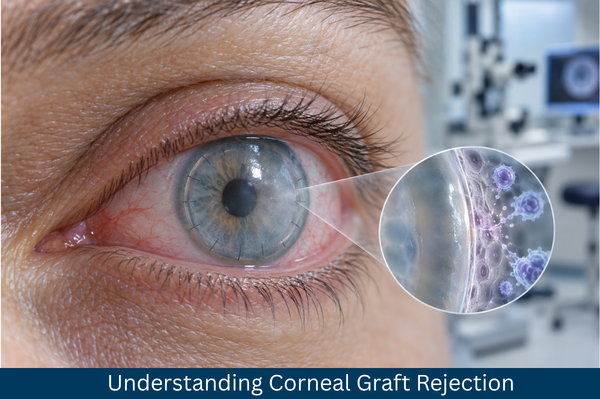
Corneal transplant rejection symptoms often develop gradually, although in some cases they can appear more suddenly. Patients are encouraged to remember the acronym RSVP, which reflects the main warning signs of corneal transplant rejection:
- Redness in the eye, particularly around the transplanted area
- Sensitivity to light that is new or worsening
- Vision changes, including blurred, cloudy, or reduced vision
- Pain or discomfort in or around the eye
Other signs of corneal graft rejection can include:
- Increased watering of the eye
- A feeling that the transplanted cornea has become cloudy or hazy
- General irritation or a sense that something is wrong with the eye, even if it is difficult to describe
Any of these changes in vision or comfort after a corneal transplant should be reported to an eye specialist promptly.
Normal Recovery vs Possible Rejection Signs
The table below helps patients understand the difference between expected healing and symptoms that need assessment.
| Normal Recovery | Possible Rejection Signs |
| Gradual improvement in vision | Sudden or worsening blurred vision |
| Mild temporary discomfort | Increasing eye pain |
| Expected healing changes | New redness or light sensitivity |
| Stable follow up results | Changes detected during examination |
If any symptoms fall into the rejection column, contact an eye specialist rather than waiting for the next scheduled appointment.
How Soon Can Rejection After Corneal Transplant Surgery Occur?
Corneal transplant rejection can happen at different stages during recovery. Some patients experience symptoms within the first few months after surgery, while others may notice changes years later.
Because rejection can occur even after a long period of stable, successful healing, regular monitoring remains important throughout the lifetime of the graft. Follow up appointments allow the specialist to check the health of the transplanted cornea, even when the patient feels well.
Symptoms and timing can vary between individuals depending on factors such as the type of corneal transplant performed, general eye health, and how closely prescribed medication routines are followed. Because of this variation, patients should never assume that a change in vision is minor or unrelated to the graft. Reporting new symptoms promptly, at any stage of recovery, supports the best possible outcome.
What Causes Corneal Transplant Complications and Rejection?
Rejection after corneal transplant surgery occurs because the immune system responds to the donor tissue. Several factors can influence this response, including:
- The natural immune reaction to tissue from another person
- Missed follow up appointments, which can delay the detection of early changes
- Stopping prescribed eye drops or other medication without medical advice
- Inflammation or infection within the eye
- Individual health factors, including a history of previous graft rejection
It is important for patients to understand that rejection does not always mean the transplant has failed. When identified early, many episodes of rejection can be managed successfully with prompt treatment, and the transplanted cornea can often recover its clarity and function.
How Is Corneal Graft Rejection Diagnosed?
Eye Examination
An eye specialist will begin by carefully examining the transplanted cornea. This includes:
- Checking the clarity and appearance of the graft
- Looking for signs of inflammation, such as redness or swelling
- Assessing whether vision has changed since the previous appointment
Advanced Eye Testing
Depending on the findings, further corneal evaluation may be recommended to assess the health of the graft in more detail. This can include measuring corneal thickness, examining the different layers of the cornea, and comparing results with previous appointments to track any changes over time.
Regular follow up appointments allow subtle changes to be identified before they become noticeable to the patient, supporting long term transplanted cornea health.
Corneal Transplant Rejection Treatment Options
Steroid Eye Drops
Steroid eye drops are the main treatment used to manage corneal transplant rejection. These drops work by reducing inflammation and calming the immune response affecting the graft. It is essential to use them exactly as prescribed, including maintaining the correct frequency, since stopping treatment too early can allow the rejection process to continue.
Additional Treatments
In some cases, a specialist may adjust the dosage or type of medication based on the severity of the rejection episode. Related eye conditions, such as dryness or inflammation from another cause, may also be managed alongside rejection treatment to support overall healing.
The exact treatment approach depends on the severity of rejection, how early it was identified, and the individual patient’s eye condition. This is why a personalised treatment approach, guided by regular assessment, is central to protecting the graft.
Can Corneal Graft Rejection Be Prevented?
While rejection cannot always be avoided completely, several steps can help reduce the risk and support long term eye monitoring:
- Attending all scheduled eye examinations, even when vision feels stable
- Using prescribed eye drops correctly and consistently
- Reporting new or unusual symptoms as early as possible
- Protecting the eye from injury, rubbing, or unnecessary strain
- Following all specialist recommendations regarding activity and eye care
These habits form the foundation of protecting vision after surgery and give the transplanted cornea the best opportunity to remain healthy over time.
Protecting Vision After Corneal Transplant Surgery
Ongoing care after a corneal transplant plays a meaningful part in long term success. Patients can support their recovery by:
- Keeping all scheduled monitoring appointments
- Avoiding activities that risk injury to the eye
- Maintaining consistent medication routines exactly as prescribed
- Reporting any changes in vision without delay
- Following long term care advice provided by their eye specialist
Consistent attention to these areas helps ensure that any early signs of corneal graft rejection are identified and managed as quickly as possible.
Testimonials
“I have seen Mr. Nanavaty Several Times, and he is always very professional and friendly”
When Should You Contact a Corneal Specialist?
Patients should contact an eye specialist promptly if they notice any of the following:
- A sudden reduction in vision
- Increasing redness in the eye
- New or worsening eye pain
- Increased sensitivity to light
- Any new or worsening discomfort in or around the transplanted eye
These symptoms do not always indicate rejection, but they should always be assessed by a professional. Prompt evaluation allows treatment to begin as early as possible if rejection is confirmed.
 Email !
Corneal Transplant Care at Sussex Eye Laser Clinic
Sussex Eye Laser Clinic provides detailed eye assessments for patients recovering from corneal transplant surgery, led by consultant ophthalmic expertise in corneal conditions and graft monitoring, including the specialist experience of Prof. Mayank A. Nanavaty. Each assessment is tailored to the individual, with specific attention given to the type of transplant performed and the stage of recovery.
Corneal monitoring experience allows the clinic team to identify subtle changes in graft appearance and function that might otherwise go unnoticed between appointments. Advanced diagnostic assessment, including detailed examination and corneal evaluation, supports accurate tracking of graft health over time.
Individual treatment planning follows directly from these findings, so any recommendations reflect the patient’s specific transplant history, current symptoms, and long term eye care needs rather than a standard approach applied to every patient.
Conclusion: Protecting Your Vision After Corneal Transplant Surgery
Recognising the warning signs of corneal transplant rejection, including redness, light sensitivity, blurred vision, and eye discomfort, is an important part of protecting long term vision. Rejection does not always mean the transplant has failed, and prompt treatment can often help manage the condition successfully.
Attending regular follow up appointments supports ongoing transplanted cornea health, even during periods when vision feels stable. If any changes in vision or comfort occur after a corneal transplant, seeking prompt professional advice remains the most reliable way to protect the health of the graft.