Lens replacement surgery offers transformative benefits for those experiencing vision problems, ranging from cataracts to refractive errors. With various options available, understanding the costs and choices can help you make informed decisions. In this guide, we’ll explore the different types of lens replacement surgeries, associated costs, and aftercare considerations, and answer some common questions to assist you in navigating this important decision.
Types of Lens Replacement Surgery
Monofocal Lens Surgery
Monofocal lens surgery is designed to correct vision at a single distance-either near, intermediate, or far. This type of lens is most commonly used for patients who need a clear focus for one specific distance, typically chosen based on their daily needs. Toric monofocal lenses are also available for those with astigmatism, helping to correct both the astigmatism and the visual focus.
Multifocal Lens Surgery
Phakic Intraocular Lens (IOL)
YAG Laser Capsulotomy
YAG Laser Capsulotomy is a procedure performed to address vision issues that may arise after cataract surgery, specifically when the capsule holding the artificial lens becomes cloudy. This treatment uses a laser to create an opening in the cloudy capsule, thereby restoring clear vision.

Cost of Lens Replacement Surgery
The cost of lens replacement surgery can vary significantly based on several factors:
- Type of Lens: Different lenses come with different costs. Monofocal lenses are generally more affordable than multifocal lenses due to their simpler design and functionality.
- Procedure Type: The complexity of the procedure and the technology used can impact costs. For example, Phakic IOLs and YAG laser treatments may incur additional charges.
- Prescription and Requirements: Individual needs, such as the degree of vision correction required, can also affect the overall cost.
- Aftercare and Medications: The cost typically includes follow-up appointments and necessary medications within the first three months after the surgery. This comprehensive approach ensures that you receive adequate care and support during your recovery.
At our clinic, we aim to make lens replacement surgery accessible to everyone. We offer various financing options and transparent pricing to ensure that you can receive the best care without financial stress.
Medication and Aftercare
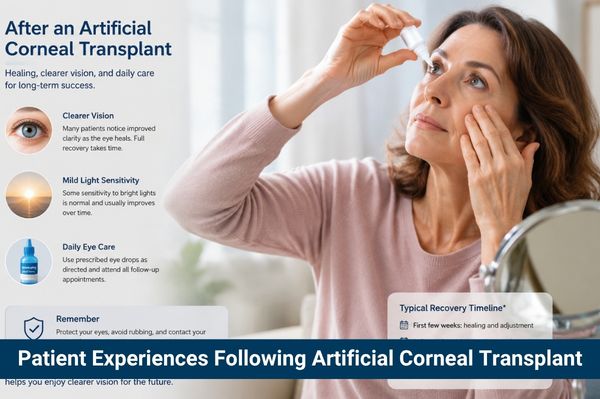
Following your lens replacement surgery, it’s crucial to adhere to the prescribed aftercare regimen. This includes:
- Eye Drops and Medications: To manage pain and prevent infection, you will be prescribed eye drops and other medications. The cost of these is included in your treatment package for the first three months.
- Follow-Up Appointments: Regular check-ups during the initial recovery period are included to monitor your healing and adjust treatment as needed. Any additional appointments beyond this period may incur extra charges.
Booking a Consultation
If you’re considering lens replacement surgery, booking a free consultation with our expert consultants is an excellent first step. During this consultation, our team will assess your vision needs, discuss the best options tailored to you, and provide detailed information about costs and financing. Whether you’re seeking to improve your vision or address specific eye conditions, we’re here to offer personalised advice and support.
FAQs
How much does lens replacement surgery cost?
Are follow-up appointments included in the cost?
What is the difference between monofocal and multifocal lenses?
Can I choose the type of lens that suits me best?
How do I book a consultation for lens replacement surgery?
You can book a consultation by contacting our clinic. Our expert consultants will evaluate your needs, discuss your options, and provide information on costs and financing.
For more information or to schedule your consultation, contact us today and take the first step towards clearer vision.