
YAG Laser Capsulotomy is a widely performed procedure used to treat certain post-surgical complications, specifically after cataract surgery. This procedure can significantly improve vision, but like any medical treatment, it comes with both benefits and potential risks. In this article, we’ll discuss the safety checklist, exploring both the rewards and risks associated with YAG laser eye treatments. Understanding these factors will help patients make informed decisions about their eye care.
YAG Capsulotomy: An Overview of the Procedure
YAG Capsulotomy is a non-invasive laser treatment aimed at treating the cloudy vision caused by posterior capsule opacification (PCO), a common complication following cataract surgery. After cataract surgery, a clear artificial lens is implanted, but sometimes the back of the lens capsule becomes cloudy, causing blurred vision. The YAG laser treatment helps to clear this cloudiness by creating a small opening in the lens capsule, improving the patient’s vision.
The procedure is quick, often performed in an outpatient setting and involves minimal recovery time. With advanced technology, YAG laser treatment for cataract surgery complications is both effective and safe.
YAG Eye Surgery: How It Works and Why It's Important
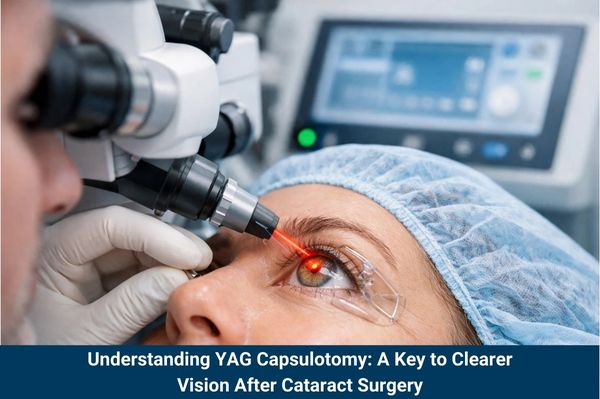
YAG Eye Surgery involves using a specialized laser to target the posterior capsule of the lens. The procedure is performed by ophthalmologists who carefully direct the laser to the affected area. The laser energy is precise and works to create a small hole in the capsule, allowing light to pass through more clearly and improving vision.
Patients often experience a significant improvement in vision within a few hours after the procedure. This makes YAG laser capsulotomy treatments a highly sought-after solution for those struggling with vision issues post-cataract surgery.
YAG Laser Capsulotomy Treatments: The Benefits You Can Expect
One of the main rewards of YAG laser capsulotomy treatments is the improvement in vision clarity. After the procedure, many patients report experiencing a noticeable difference in their ability to see clearly, with reduced glare and improved contrast. This can be life-changing, especially for those whose vision was significantly impaired by posterior capsule opacification.
Additionally, the procedure is relatively quick, taking only a few minutes and does not require any incisions or stitches. Most patients can resume normal activities the same day, with minimal discomfort.
Yag Laser Treatment: What Are the Risks?
As with any medical procedure, there are some risks associated with Yag laser treatment. While the treatment itself is generally safe, potential complications may include:
- Increased intraocular pressure (IOP): A temporary increase in eye pressure may occur following the procedure. In some rare cases, this can lead to glaucoma, which requires further treatment.
- Inflammation: Although it’s uncommon, inflammation of the eye can occur after YAG laser surgery. This can be treated with anti-inflammatory eye drops.
- Retinal complications: In very rare cases, there’s a slight risk that the procedure could cause retinal detachment or damage to the retina, though this is typically avoidable when the procedure is performed by a skilled surgeon.
- Hazy or blurred vision: Some patients may experience temporary visual disturbances such as haziness or halos, but these symptoms typically resolve after a few days.
Despite these risks, the benefits of YAG laser capsulotomy often outweigh the potential drawbacks, especially when the procedure is performed in the proper setting.
YAG Laser Eye Treatment: Aftercare and Recovery
After undergoing YAG laser eye treatment, patients are typically advised to follow specific aftercare instructions to ensure proper healing. This includes:
- Avoiding rubbing the eyes for the first few days.
- Using prescribed eye drops to reduce the risk of inflammation or infection.
- Attending follow-up appointments to monitor the healing process and ensure the best possible results.
Most patients notice significant improvements in their vision shortly after the procedure, but it’s important to continue regular eye checkups as recommended by the doctor.
Testimonials
“Excellent manner, listens really well and gives multiple opportunities to ask questions, which is really helpful. Very calm, gently spoken and not rushed”
Yag Laser Capsulotomy Treatment: Is It Right for You?
For those who have undergone cataract surgery and are experiencing cloudy vision due to posterior capsule opacification, Yag Laser Capsulotomy Treatment is often an effective and relatively low-risk solution. However, it’s crucial to consult with an experienced ophthalmologist to determine whether the procedure is appropriate based on your specific medical condition and history.
It’s also important to discuss any concerns or questions you may have with your healthcare provider before proceeding with the treatment. This will help ensure that you are well-informed and confident in your decision.
YAG Laser Surgery: A Cost-Effective Solution
The cost of YAG laser surgery can vary depending on several factors, including the location of the procedure and whether the patient has insurance coverage. On average, the YAG laser cost for this procedure can range from $150 to $500 per eye. It’s advisable to check with your insurance provider to see if the procedure is covered under your plan.
While the YAG laser treatment price may seem steep for some, it is generally considered a cost-effective solution, especially when compared to the potential long-term costs of dealing with impaired vision. Plus, the benefits of improved vision can drastically improve quality of life.
 Call Now!
Yag Laser Treatments: A Safe, Effective Option for Vision Improvement
In conclusion, YAG laser treatments have proven to be a reliable and effective option for treating posterior capsule opacification and improving vision following cataract surgery. The procedure is relatively quick, minimally invasive and provides patients with fast relief from cloudy or blurry vision.
While the risks are generally low, it’s important to weigh them against the potential benefits and consult with a healthcare professional to ensure the procedure is right for your needs.
FAQs
What is YAG Laser Capsulotomy?
YAG Laser Capsulotomy is a procedure used to treat cloudy vision caused by posterior capsule opacification after cataract surgery.
How does YAG laser eye treatment work?
The YAG laser creates a small opening in the cloudy lens capsule, allowing light to pass through and improving vision clarity.
What are the risks of YAG laser capsulotomy?
Risks include increased intraocular pressure, inflammation and retinal complications, though these are rare.
Is YAG laser treatment covered by insurance?
Many insurance plans cover YAG laser eye treatment, but it’s important to check with your provider.
What is the typical cost of YAG laser surgery?
The YAG laser cost typically ranges from $150 to $500 per eye, depending on the provider and location.