
Cataract surgery is one of the most common and successful procedures performed in the UK to restore vision. For millions of people affected by cataracts, this surgery can significantly improve their quality of life. However, to ensure optimal results, it is crucial to conduct a thorough pre-operative assessment.
A pre-operative assessment in cataract surgery is designed to evaluate a patient’s overall health, eye condition and suitability for surgery. By understanding the patient’s individual needs, medical history and eye characteristics, healthcare providers can tailor the surgery to achieve the best possible outcomes.
In this article, we explore the role of pre-operative assessments in cataract surgery success rates in the UK, focusing on how they influence surgical planning, recovery and long-term results.
Why is Pre-Operative Assessment Essential for Cataract Surgery?
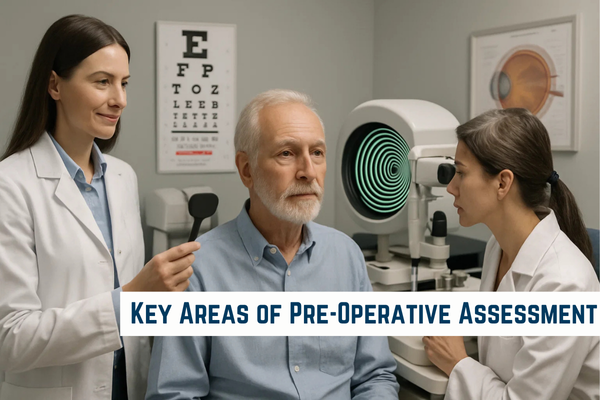
A comprehensive pre-operative assessment ensures that the patient is physically and visually prepared for cataract surgery. By thoroughly evaluating a patient’s eye health, medical history and overall well-being, healthcare providers can detect any underlying conditions that might affect the outcome of the surgery.
Key Areas of Pre-Operative Assessment
- Visual Acuity: Measuring the patient’s current vision helps determine the severity of the cataract and what type of intraocular lens (IOL) will be most effective.
- Corneal Health: The health of the cornea plays a significant role in determining the appropriate type of surgery and lens for the patient.
- Astigmatism and Toric Lenses: If the patient has astigmatism, the pre-operative assessment will help decide if a toric lens is needed to correct the irregularity in the cornea.
Health Conditions Considered
- Diabetes: Diabetes can affect healing and increase the risk of complications after cataract surgery.
- Other Eye Conditions: Conditions like glaucoma or macular degeneration may affect the decision-making process for cataract surgery.

How Does Pre-Operative Assessment Affect Surgical Planning?
Tailoring the Procedure to the Patient
Choosing the Right Intraocular Lens (IOL)
- Monofocal Lenses for clear vision at one distance.
- Toric Lenses for patients with astigmatism.
Pre-Surgery Imaging and Measurements
Advanced imaging techniques, such as optical coherence tomography (OCT) and biometry, are used to measure the eye’s shape and size accurately. These measurements are crucial for choosing the correct IOL and for precise lens placement during surgery.
The thorough pre-operative evaluation enables the surgeon to customize the surgery, improving the likelihood of a successful outcome and reducing the chances of complications.
Testimonials
“I have seen Mr. Nanavaty Several Times, and he is always very professional and friendly”
Where Do Pre-Operative Assessments Fit into the Cataract Surgery Process in the UK?
Integration into the Cataract Surgery Workflow
- Initial Consultation: The surgeon reviews the patient’s medical history and current vision, determines the type of cataract and discusses potential treatment options.
- Eye Examination: A full eye exam is conducted to assess visual acuity, corneal health and other factors such as intraocular pressure and the presence of other conditions like glaucoma.
- Imaging and Measurements: Advanced tools are used to measure the eye’s dimensions, ensuring precise IOL placement.
The pre-operative assessment process helps align the patient’s needs with the surgical procedure, enhancing the likelihood of a smooth operation and positive post-surgery results.

When Should a Pre-Operative Assessment Be Performed?
A pre-operative assessment should be performed well in advance of the scheduled cataract surgery. It typically takes place during the initial consultation, but additional tests may be conducted closer to the surgery date. It is essential that the patient’s overall health is stable and any underlying conditions are well-managed before undergoing surgery.
Optimal Timing for Assessment
It is recommended that the pre-operative assessment occur several weeks prior to surgery, allowing enough time for the surgeon to review the results, make any necessary adjustments and discuss the planned surgery with the patient.
This window of time ensures that the patient’s eyes and overall health are thoroughly evaluated, reducing the likelihood of unexpected complications and improving the chances of a successful surgery.
Client Speaks
“I would be completely happy to see this doctor again“
How Does Pre-Operative Assessment Influence Recovery and Long-Term Success?
Ensuring a Faster and Safer Recovery
Long-Term Success and Patient Satisfaction

Conclusion
Pre-operative assessment plays a crucial role in the success of cataract surgery in the UK. By evaluating the patient’s eye health, medical history and overall suitability for surgery, healthcare providers can ensure that each surgery is customized to achieve the best possible results. From choosing the right intraocular lens to managing potential health risks, a thorough pre-operative assessment contributes significantly to the high success rates of cataract surgery.
As the healthcare landscape in the UK continues to evolve, the importance of personalized care and thorough assessments remains central to achieving optimal cataract surgery outcomes. For patients seeking cataract treatment, a detailed pre-operative evaluation is the key to restoring clear vision and enhancing overall quality of life.