
Cataract surgery is one of the most commonly performed procedures in the UK, providing millions of individuals with a solution to restore clear vision. Despite the overall success of cataract surgery, post-surgical complications can still occur, affecting the recovery process and long-term outcomes. These complications, while rare, can be challenging for both patients and healthcare providers.
As the number of cataract surgeries continues to rise, it becomes essential to understand the trends surrounding post-surgical complications, how they are managed and their impact on the UK healthcare system. This article focuses on the common post-surgical complications following cataract surgery, including the role of advanced treatments such as laser eye surgery and toric lenses and highlights current trends in the UK healthcare system.
Why Do Post-Surgical Complications Occur in Cataract Surgery?
Understanding the Causes of Complications
Post-surgical complications after cataract surgery can arise due to several factors, despite the procedure being one of the safest in modern medicine. Some complications may occur due to the inherent nature of surgery, while others may be influenced by the patient’s health condition or the surgical method employed. Understanding these causes is crucial for preventing and managing complications effectively.

Factors Contributing to Complications
- Age and General Health: Older patients or those with underlying health conditions, such as diabetes or hypertension, may face a higher risk of complications.
- Surgical Method: While traditional cataract surgery is highly effective, complications can still arise, particularly in complex cases. Laser-assisted cataract surgery can reduce certain risks, such as those related to incision precision, but it is not without its own challenges.
- Lens Type: The choice of intraocular lens (IOL) can influence post-operative outcomes. For example, toric lenses, designed to correct astigmatism, may have specific risks that require careful management.
Despite these challenges, many complications can be prevented or mitigated with proper pre-operative assessments, surgical techniques and post-operative care.

How Are Post-Surgical Complications Managed in the UK Healthcare System?
Prevention and Early Detection of Complications
Post-Surgical Care and Monitoring
After cataract surgery, patients are closely monitored for any signs of complications. Regular follow-up appointments are essential for ensuring that the healing process is progressing as expected. Surgeons and optometrists monitor for the following issues:
- Infection and Inflammation: Although rare, infection can occur after cataract surgery. Patients are typically prescribed antibiotics or anti-inflammatory medications to prevent or treat these issues.
- Increased Intraocular Pressure (IOP): Elevated IOP can occur in the post-operative period, which may lead to glaucoma. Monitoring and, in some cases, medication are necessary to manage this risk.
- Posterior Capsule Opacification (PCO): This common complication involves the clouding of the back of the lens capsule. A laser procedure known as YAG laser capsulotomy is typically performed to clear the clouding.
Early intervention is key to preventing these complications from progressing into more serious conditions that can impact vision long-term.
Testimonials
“I would be completely happy to see this doctor again“
When Do Post-Surgical Complications Typically Occur After Cataract Surgery?
Timeline of Potential Complications
Immediate to Early Post-Operative Period
- Infection and Inflammation: These issues may arise in the first few days to weeks following the surgery. Patients are closely monitored for signs such as redness, pain or decreased vision.
- Increased Intraocular Pressure (IOP): Elevated IOP is usually detected within the first few days or weeks after surgery and is closely monitored during follow-up appointments.
Later Complications
- Posterior Capsule Opacification (PCO): PCO can occur months or even years after cataract surgery, though it typically develops within the first two years. It can be managed effectively with laser treatment if detected early.
- Cystoid Macular Edema (CME): This condition, characterized by fluid accumulation in the central retina, may develop several weeks after surgery, affecting central vision. Early detection and treatment with medication can help manage the condition.
The majority of complications are treatable when identified early, leading to a positive long-term prognosis.
Where Are the Most Common Post-Surgical Complications in Cataract Surgery Seen in the UK?
Geographical Distribution and Healthcare Access
Client Speaks
“Absolutely fantastic consultant I have Mr Nanavaty for almost three years. He is without doubt a professional consultant“
Trends in Healthcare Settings
- Private vs. NHS Care: In the private sector, patients often have access to advanced techniques such as laser-assisted cataract surgery and premium intraocular lenses, which may reduce the risk of certain complications. In contrast, NHS hospitals, which handle a larger volume of patients, may face challenges related to waiting times and resource constraints.
- Rural vs. Urban: Urban areas typically have more specialized centers for cataract surgery, where patients can access the latest technologies. In rural areas, while surgery outcomes are generally good, there may be limited availability of certain surgical methods or follow-up care.
By improving access to specialized care and early intervention, the UK healthcare system can continue to reduce complications and improve patient outcomes.

Why Are Trends in Post-Surgical Complications Important for the UK Healthcare System?
Evaluating Trends to Improve Patient Outcomes
Impact of Technology and Advanced Treatment
Policy and Resource Allocation
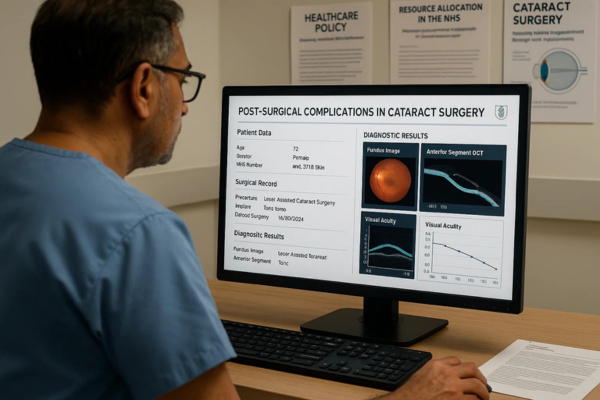
Trends in post-surgical complications also inform healthcare policy, particularly in the allocation of resources. By identifying areas where complications are most prevalent, healthcare organizations can focus on improving patient education, surgical techniques and access to specialized care.
Conclusion
Post-surgical complications in cataract surgery, although rare, remain an important aspect of patient care in the UK. By understanding the causes, management strategies and trends surrounding these complications, healthcare providers can continue to refine their practices to minimize risks and improve outcomes for patients. Technological advancements, such as laser-assisted surgery and toric lenses, have helped reduce complication rates, but continued vigilance is necessary to ensure the best possible results for all patients.
As the UK healthcare system adapts to new challenges and opportunities, ongoing monitoring and the analysis of post-surgical complications will play a critical role in improving the quality of cataract care across the country.