
AI Summary
This article aims to address the prevalent myths and misconceptions surrounding IPL dry eye treatment. By examining common misunderstandings, we seek to provide a clear and factual explanation of IPL therapy for dry eyes, helping patients make informed decisions about their treatment options.
Understanding IPL Therapy for Dry Eyes
Intense Pulsed Light (IPL) therapy has gained significant attention as a treatment for dry eyes, especially for those suffering from meibomian gland dysfunction (MGD). IPL eye treatment uses light energy to reduce inflammation and improve the function of the meibomian glands, which are crucial for maintaining a healthy tear film.
However, despite its growing popularity, IPL therapy for dry eyes has become surrounded by myths, leaving many patients confused about its effectiveness, safety and application. In this article, we will delve into these myths and separate fact from hype.
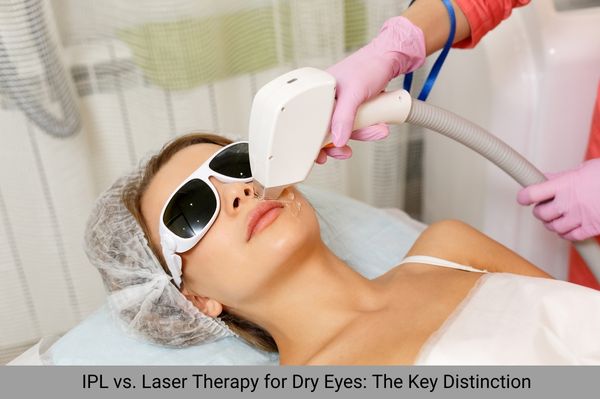
Myth 1: IPL Dry Eye Treatment is Just Another Facet of Laser Therapy
One of the most common misconceptions about IPL dry eye therapy is that it is similar to laser therapy. While both treatments use light energy to address eye-related issues, they are fundamentally different in their mechanisms of action.
Fact:
Unlike laser treatments, IPL therapy uses a broad spectrum of light, which is non-coherent and non-focused. This allows it to target multiple layers of tissue, including the skin’s surface, to stimulate the meibomian glands. IPL for dry eyes does not focus on the cornea or retinal layers like laser treatments. Instead, it works on improving glandular function and reducing inflammation around the eyes.
In addition to helping the meibomian glands, IPL therapy can also enhance the quality of the tear film, making it a suitable option for many dry eye sufferers. Understanding this difference can help patients appreciate IPL’s unique approach.
Myth 2: IPL Dry Eye Treatment is Painful
Another widespread myth is that IPL therapy dry eyes is painful or uncomfortable. Many patients avoid considering IPL for their dry eyes due to fears of discomfort during the procedure.
Fact:
Most patients experience only mild discomfort during IPL for dry eye, if any. The procedure involves the application of light pulses to the skin around the eyes, which may feel warm or slightly tingly. The treatment itself is non-invasive and the majority of patients report no significant pain during or after the session.
To enhance comfort, a cooling gel is applied to the treatment area before the light pulses are delivered. This helps protect the skin and mitigate any discomfort. After the procedure, patients may experience slight redness or warmth in the treated area, which usually subsides within a few hours.
Our Other Treatments: Refractive Lens Exchange Surgery

Myth 3: IPL Therapy for Dry Eyes is a One-Time Solution
A common misconception about IPL dry eye surgery is that it offers a one-time cure for dry eyes, eliminating the need for future treatments.
Fact:
While IPL therapy can provide long-lasting relief, it is not a one-time fix. IPL for dry eyes typically involves a series of treatments to achieve optimal results. Depending on the severity of the condition, patients may require anywhere from three to six sessions spaced a few weeks apart. After the initial series, periodic maintenance treatments may be needed to sustain the benefits.
Just as with any therapeutic approach, ongoing management and follow-up care are crucial to maintaining results over time. For those with chronic dry eye, maintaining regular IPL therapy sessions may be necessary to manage symptoms effectively.
Read Our Article: From Gaming to Zoom Calls: Is IPL the Answer to Youth Dry Eye Syndrome?
Myth 4: IPL Therapy for Dry Eyes is Only Effective for Severe Cases
Some patients believe that IPL therapy is only effective for those with severe dry eye disease, leading them to think it is not an option for milder cases.
Fact:
IPL therapy for dry eyes is effective for a wide range of dry eye severities, including both moderate and severe cases. The treatment is particularly beneficial for individuals with meibomian gland dysfunction (MGD), which is a primary cause of dry eye in many patients.
Whether dry eye symptoms are mild or severe, IPL therapy can help improve glandular function, enhance the tear film and reduce inflammation. In fact, many patients with moderate dry eye find significant relief with IPL, even before their condition worsens.
Myth 5: IPL Treatment for Dry Eyes is Dangerous for Sensitive Skin
There is a concern that IPL dry eye treatment may cause damage or irritation to those with sensitive skin around the eyes.
Fact:
IPL therapy is generally considered safe for most skin types, including sensitive skin. The intensity and wavelength of the light can be adjusted to suit different skin tones and sensitivities. During treatment, a trained professional will ensure that the energy levels are appropriately calibrated to the patient’s specific needs.
While it is true that some patients with very sensitive skin may experience slight irritation or redness, this is usually temporary and resolves quickly. Pre-treatment consultations are crucial to ensure that IPL is a safe and appropriate option for each individual.
Our Other Treatments: YAG Laser Capsulotomy
Testimonials
“Extremely gentle, professional and informative, Could not wish for more“
Myth 6: IPL Therapy for Dry Eyes Has No Long-Term Benefits
Some skeptics claim that the benefits of IPL therapy for dry eyes are short-lived and that patients will need constant treatments to maintain any improvements.
Fact:
While the initial improvements may be noticeable shortly after treatment, the long-term benefits of IPL therapy are well-documented. Studies have shown that IPL therapy for dry eyes can lead to sustained improvements in glandular function, tear production and inflammation control. Many patients experience long-term relief from dry eye symptoms, with fewer flare-ups over time.
However, for those with chronic conditions, periodic maintenance treatments may be necessary to maintain the improvements. Regular check-ups with an eye care professional can help determine the appropriate schedule for ongoing treatments.
Client Speaks
“I am confident about this doctor“
Myth 7: IPL Therapy for Dry Eyes is Only for People with Meibomian Gland Dysfunction (MGD)
While IPL therapy is commonly associated with meibomian gland dysfunction (MGD), some patients believe it is only effective for those with this specific condition.
Fact:
Although IPL therapy is highly effective for patients with MGD, it can also benefit individuals with other causes of dry eyes, such as inflammation or poor tear quality. By targeting inflammation and improving blood flow to the area around the eyes, IPL can address multiple underlying causes of dry eye disease.
In fact, IPL therapy for dry eyes has been found to improve symptoms in patients with a range of contributing factors, making it a versatile option for many dry eye sufferers.

Conclusion
In summary, while IPL therapy for dry eyes has become an increasingly popular treatment option, there are many myths and misconceptions surrounding its use. By separating fact from fiction, we can gain a clearer understanding of how IPL dry eye treatment works, its benefits and its limitations.
For those considering IPL therapy for dry eyes, it is essential to consult with an experienced eye care professional to determine if this treatment is appropriate for their specific condition. Through proper education and realistic expectations, patients can make informed decisions about managing their dry eye symptoms and improving their quality of life.