
Dry eyes affect millions of people globally and finding effective solutions for the condition is crucial. One promising treatment that has gained attention in recent years is IPL for dry eyes. However, there are also alternative methods to manage dry eyes, such as adjusting your diet. In this article, we will explore whether an anti-inflammatory diet can help reduce the need for clinical treatments like IPL therapy for dry eyes or if it can be used as a complementary approach.
IPL for Dry Eyes: What Is It and How Does It Work?
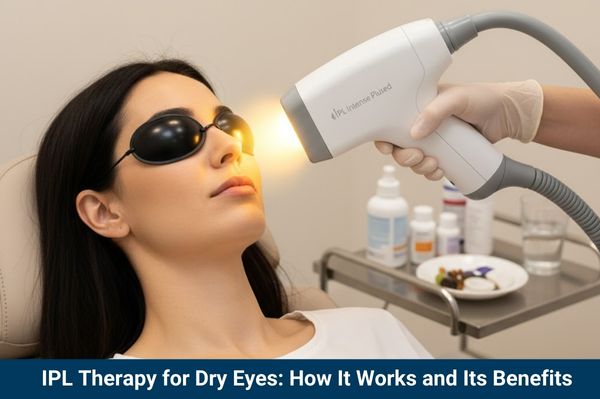
IPL for dry eyes refers to the use of Intense Pulsed Light Therapy to treat the symptoms of dry eye disease. This treatment works by targeting the meibomian glands in the eyelids, which can become clogged, causing reduced oil production and leading to dry, irritated eyes. IPL dry eye treatment uses flashes of light to heat the glands, helping to clear blockages and improve oil secretion. This, in turn, helps to maintain the stability of the tear film and reduces dryness.
IPL treatment for dry eyes is often recommended for those who have not found relief from traditional treatments like lubricating eye drops. In many cases, IPL therapy dry eye has proven to be effective in reducing symptoms and providing long-lasting relief. However, many people are curious about whether lifestyle changes, like diet, can reduce the need for clinical treatments like IPL dry eye therapy.
Intense Pulsed Light Therapy vs. Natural Remedies: Is Diet a Viable Option?
When considering options for managing dry eyes, some people may wonder if dietary changes can reduce their dependence on treatments like IPL therapy for dry eye. An anti-inflammatory diet, which focuses on foods rich in omega-3 fatty acids, antioxidants and vitamins, may help reduce inflammation in the body, including the eyes. Such a diet could potentially decrease the symptoms of dry eyes and reduce the need for clinical treatments like IPL therapy eyes.
While intense pulsed light eye treatment focuses on addressing the mechanical causes of dry eyes, such as meibomian gland dysfunction, a diet rich in anti-inflammatory foods like fish, flaxseeds and leafy greens can work on a cellular level to reduce the overall inflammation contributing to dry eye discomfort. This could make some individuals less reliant on more expensive treatments like IPL dry eye treatment cost, which can vary significantly depending on the clinic and number of sessions required.
 Email Us!
IPL Treatment for Dry Eyes: Clinic or Kitchen Remedy?
Deciding between IPL dry eye treatment at a clinic and relying on dietary adjustments at home depends on the severity of your condition. For mild cases of dry eyes, dietary changes may offer enough relief to reduce the need for IPL dry eye therapy. However, for those with moderate to severe dry eyes, IPL treatment for dry eyes may still be necessary to effectively address gland dysfunction and improve tear quality.
In cases where IPL dry eye treatment is required, the therapy has been shown to provide lasting results for many patients. While dietary changes can support overall eye health, they are unlikely to fully replace the benefits of IPL therapy for dry eye in more advanced cases.
IPL Therapy for Dry Eye: The Role of Lifestyle Factors in Treatment Success
IPL therapy for dry eyes is a highly effective clinical option, but success can be enhanced when combined with lifestyle changes, such as an anti-inflammatory diet and proper hydration. It’s important to note that IPL therapy for dry eye addresses the mechanical blockage of the meibomian glands, but improving your diet can support the long-term health of your eyes by reducing systemic inflammation.
Moreover, incorporating foods rich in vitamins A, C and E, along with antioxidants and omega-3s, can work synergistically with Intense Pulsed Light treatments to optimize results. This combined approach can potentially reduce the frequency and number of IPL dry eye treatment sessions needed.
IPL Dry Eye Treatment Cost and Accessibility: Is Diet a Cost-Effective Alternative?
While IPL treatment for dry eye can offer excellent results, it often comes with a high cost. The average IPL dry eye treatment cost can range from hundreds to over a thousand dollars, depending on the number of treatments required. In contrast, an anti-inflammatory diet is a much more cost-effective solution that can be easily integrated into daily life.
For those who are looking to manage dry eyes without the financial burden of ongoing clinical treatments, focusing on a diet that reduces inflammation and supports eye health may help prevent or reduce the need for expensive IPL therapy dry eye sessions.
Testimonials
“Excellent manner, listens really well and gives multiple opportunities to ask questions, which is really helpful. Very calm, gently spoken and not rushed”
Can an Anti-Inflammatory Diet Reduce the Need for IPL Therapy for Dry Eye?
While IPL dry eye therapy has shown significant promise for treating dry eyes, it’s important to remember that diet plays a crucial role in overall eye health. While an anti-inflammatory diet cannot entirely replace the benefits of IPL eye treatment, it can reduce the frequency and severity of symptoms, making clinical interventions like intense pulsed light treatment less necessary in some cases.
By incorporating omega-3 fatty acids, antioxidants and vitamins into your daily meals, you can support your eye health and potentially reduce the need for frequent IPL therapy dry eye sessions.
 Call Us Now!
Conclusion:
In conclusion, both IPL therapy dry eye and an anti-inflammatory diet have their place in managing dry eyes. IPL dry eye treatment is a powerful option for those with moderate to severe dry eye disease, but diet can serve as a complementary strategy. A combination of Intense Pulsed Light Therapy and dietary modifications may offer the best long-term solution for those suffering from chronic dry eyes.