
Implantable Contact Lens Surgery: A Step-by-Step Procedure
Implantable contact lenses (ICLs) have revolutionized the way people with refractive vision errors correct their sight. For individuals who are not ideal candidates for traditional corrective surgeries or those with high prescriptions, implantable contact lenses offer an advanced solution. This article will provide a step-by-step guide to the implantable contact lens surgery process, its benefits, cost considerations and key factors to understand before making a decision.
Implantable Contact Lenses: A Modern Vision Correction Solution
Implantable contact lenses are surgically inserted into the eye to correct refractive vision problems like myopia (nearsightedness), hyperopia (farsightedness) and astigmatism. Unlike traditional contact lenses, implantable contact lenses are placed inside the eye permanently, usually behind the iris and in front of the natural lens. These implantable lenses are made from biocompatible materials, ensuring they integrate smoothly with the eye’s natural anatomy.
Implanted contact lenses offer a range of advantages, including the ability to correct higher degrees of refractive errors that cannot be addressed by glasses or conventional contact lenses. In addition to providing clear vision, implantable lenses can reduce or eliminate the need for external corrective devices.
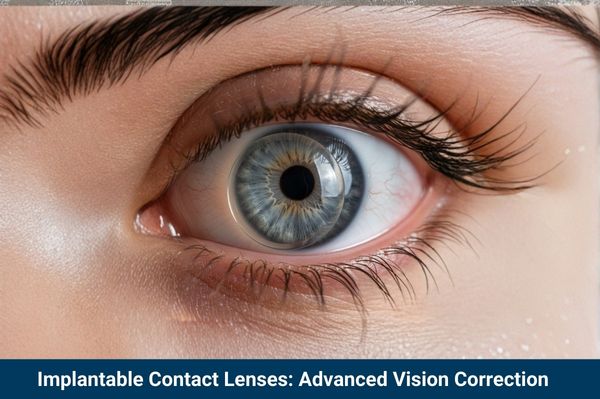
The Step-by-Step Procedure for Implantable Contact Lens Surgery
Pre-Operative Consultation for Implantable Contact Lens Surgery
Before undergoing implantable contact lens surgery, it’s essential to schedule a comprehensive eye exam with an experienced ophthalmologist. During this initial consultation, your eye surgeon will evaluate your vision prescription and overall eye health to ensure you are a suitable candidate for the procedure. This consultation will also allow the surgeon to assess:
- Refractive Error: The degree of myopia, hyperopia or astigmatism will be measured to determine if you are eligible for the procedure.
- Corneal Thickness and Shape: Implantable contact lenses require sufficient corneal thickness. A thin cornea may disqualify some patients from the procedure.
- General Eye Health: Conditions such as cataracts or glaucoma must be ruled out to ensure that implantable lenses are a safe option.
- Personal Expectations: The surgeon will discuss the desired visual outcome, ensuring the patient has realistic expectations for their post-surgical vision.
During this consultation, your surgeon will also explain the cost of implantable contact lenses, the procedure itself and any potential risks associated with the surgery.
 Email Us Today!
Surgical Procedure for Implantable Contact Lenses
Implantable contact lens surgery is typically a quick, outpatient procedure that takes about 15 to 30 minutes per eye. The procedure is performed under local anesthesia to ensure that the patient remains comfortable throughout the surgery. Here’s a breakdown of the surgery:
- Local Anesthesia Application: The surgeon applies numbing drops to the eyes to prevent discomfort during the procedure. This means that the patient will be awake but will not feel pain.
- Small Incision: A tiny incision is made at the edge of the cornea, usually measuring no more than 3 mm. This incision is small enough to heal naturally without the need for stitches.
- Insertion of the Implantable Contact Lens: Using precision instruments, the surgeon carefully inserts the implantable contact lens through the incision and places it behind the iris, in front of the natural lens.
- Closure of the Incision: The incision is self-healing and does not require stitches. It closes naturally over time as the eye recovers.
The implantable contact lens is made from a flexible, biocompatible material that conforms to the shape of the eye once placed. The procedure is minimally invasive and patients typically experience little discomfort.
Post-Surgical Recovery and Aftercare
After implantable contact lens surgery, patients are typically able to return home on the same day. However, proper post-operative care is essential for a successful recovery. Some common post-surgical care guidelines include:
- Antibiotic and Anti-Inflammatory Eye Drops: Patients will be prescribed medication to prevent infection and reduce inflammation after the surgery.
- Avoid Rubbing Your Eyes: Patients should avoid touching or rubbing their eyes for several weeks after surgery to ensure the lens remains properly positioned.
- Follow-Up Appointments: A series of follow-up visits will be scheduled to monitor the healing process and assess the placement of the implantable contact lenses.
- Sunglasses: Wearing sunglasses will help protect the eyes from UV rays and bright lights during recovery.
It is normal for patients to experience some discomfort, such as mild dryness or light sensitivity, during the initial recovery period. However, most individuals experience significant improvement in vision within a day or two and are able to return to most daily activities within a week.
Cost of Implantable Contact Lenses: Understanding Financial Considerations
One of the most significant concerns for patients considering implantable contact lenses is the cost of implantable contact lenses. While the procedure may initially seem expensive, it is essential to understand the long-term value of the surgery.
Testimonials
“Extremely gentle, professional and informative, Could not wish for more”
Insurance Coverage and Financing Options
Unfortunately, many insurance plans do not cover the implantable contact lens cost as it is considered an elective procedure. However, some insurance providers may offer partial coverage if the surgery is deemed medically necessary. It’s advisable to check with your insurance provider for specific details.
For those without insurance coverage, many clinics offer financing options, allowing patients to pay for their implantable contact lens surgery in monthly installments. These plans can help make the procedure more affordable by breaking the cost into manageable payments.
 Call Us Now!
Risks and Complications of Implantable Contact Lens Surgery
As with any surgical procedure, there are some risks associated with implantable contact lens surgery. While these complications are rare, it’s important to be aware of them before making a decision. Some potential risks include:
- Infection: Proper care during recovery, including the use of prescribed eye drops, can minimize the risk of infection.
- Increased Eye Pressure: Some patients may experience a temporary increase in intraocular pressure, which can lead to glaucoma if not monitored.
- Lens Displacement: Although rare, the implantable contact lens may shift from its original position, requiring additional surgery to reposition it.
- Visual Disturbances: Some patients may notice glare, halos or reduced contrast sensitivity, especially at night. However, these issues often resolve after the eye has fully healed.
To mitigate these risks, it is essential to follow your surgeon’s aftercare instructions and attend all follow-up appointments. This will help ensure the implantable contact lenses are healing properly and functioning as intended.